
The Origins of the Archive

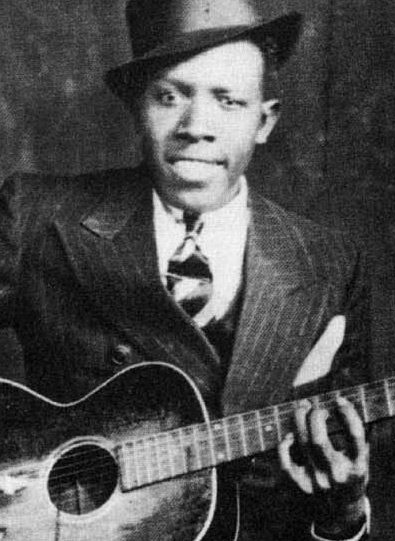
Where did a world-changing artists start recording before they became musical icons?
The archive’s first accessions inspired this question: The early music of “Weird Al” Yankovic. Before “Weird Al” became a beloved cultural figure, he released an EP on his own label that he recorded in his college bathroom. Before that, a chance meeting led to an incongruous big label single that went nowhere, and before that – an appearance on a compilation record pressed for the San Luis Obispo Economic Opportunity Commission. This young artist who created his own opportunities with little more than some friends, a sense of humor and an accordion provides the spirit of the Origins of Modern Music Archive.
It soon became clear that Al’s story is not all that uncommon. Many of the most renowned and innovative musical artists started as local, often experimental, musicians dependent on fragile networks of local supporters, small labels, DJs, independent record shops, luck and endless hustle.
The archive now gathers genre-shaping, culture-shifting artists’ first public physical releases across genres, decades, and countries: debut records and near-forgotten releases that show how major musical figures first entered the world of recorded sound.
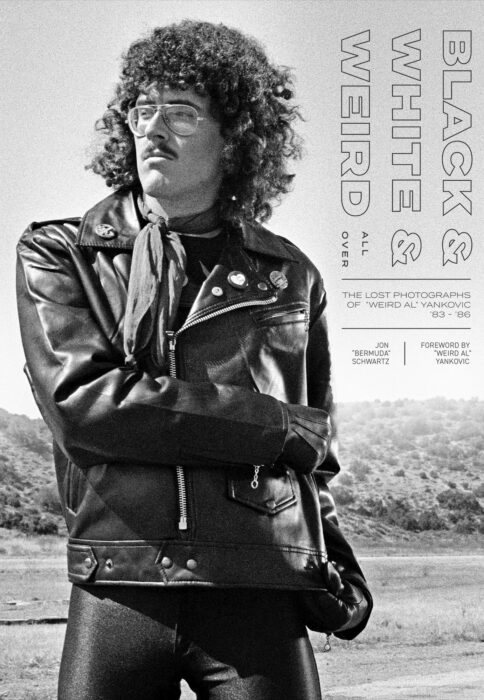
Homage to “Weird Al”
The Archive’s first items provided the spark. “Weird Al” Yankovic’s first EP, Another One Rides the Bus, was famously recorded in Al’s college bathroom, but this wasn’t his first commercial appearance. That was on the B-side of an obscure compilation album, SLO Grown, released by the San Luis Obispo Economic Opportunity Commission. In between, a strange one-record stand with Capitol Records emerged from a backstage meeting between Al, whose “My Bologna” was making the rounds of late night parody radio, The Knack lead singer Doug Fieger and Capitol Records executive Rupert Perry. Fieger had loved hearing “Weird Al”‘s parody of his “My Sharona” on radio’s Doctor Demento Show and asked Perry to sign Yankovic. The label released a single and quickly dropped him, which led him to his homemade EP, more highlights by Dr. Demento, and on to fame.
The pathway of rapper 50 Cent, whose music and style could hardly be farther from “Weird Al,” nevertheless showed similar undying perseverance. Hustling as a rapper in New York City, 50 Cent landed as a guest vocalist on one record, followed by a failed promo for an independent label release that never took place. After finally signing with a major label, 50 Cents’s first LP was unceremoniously spiked before release after he was targeted in gang violence. The labe dropped him like a sack of lava rocks. Fifty didn’t stop. His homemade mixtapes started circulating the streets and brought him to the attention of Eminem and Dr. Dre, who finally launched his career with the blockbuster Get Rich or Die Tryin’. It wasn’t even his birthday.
These artists and the hustle they showed to succeed represent some of the many ways young musical artists find to climb into the spotlight, as well as the work ethic, the talent, and the willingness to create any opportunity that music artists need to get a break.
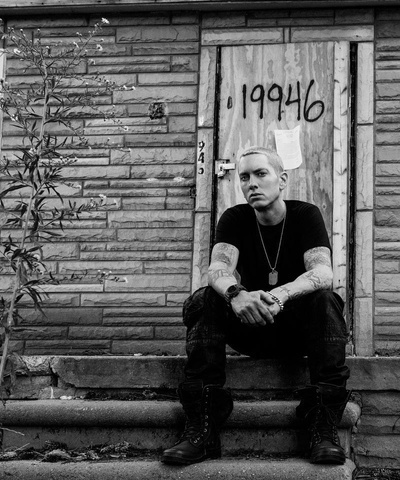
The Artists, the Myths
Many of these artists’ stories are, in fact, larger than life and a testament to the ingenuity and the determination that wrenches success from unknown places. Loretta Lynn’s epic cross-country road trip to Nashville with records in her car trunk merges in the Archive with the Sex Pistols, whose enraged labels yanked the band’s first records from their catalogues, mid-press, on multiple occasions. Although Robert Johnson may or may not have had to sell his soul at a Mississippi Delta crossroads, hard beginnings and humbling setbacks line the roads of many of these artists, stories that can only inspire all of us who are attempting something great. These beginnings are the stories that OMMA is aiming to preserve.
The records held in OMMA are documents of experiences that cannot be automated and evidence of the sometimes shocking, ofrten inspiring creativity behind the music that has shaped our culture.