
The Origins of OMMA

About the Founders
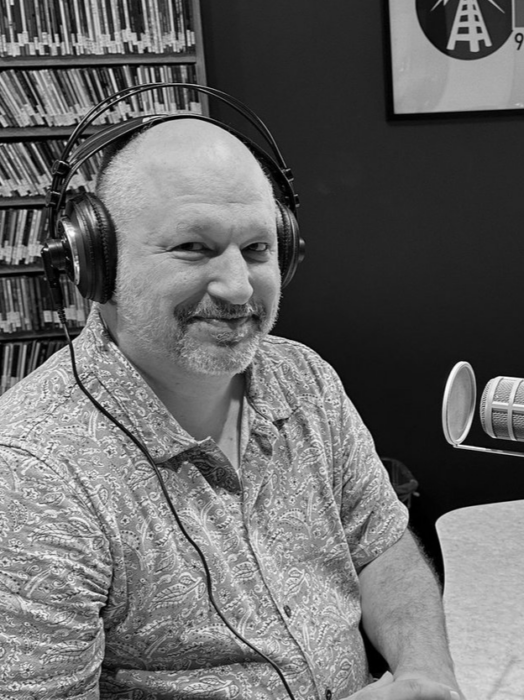
The Origins of Modern Music Archive (OMMA) was founded, researched and curated by Sean Ransom, a psychologist and entrepreneur based jointly in Seattle and New Orleans and his wife, Tai Li Anderson, whose stray comment, “Have you ever thought of getting into vinyl” provided the spark behind the archive. Their home cities, with their rich and distinct musical histories, have informed Ransom and Anderson’s views that the emergence of musical greatness comes from the garages and street corners, small stages and tiny labels that are often forgotten when an artist achieves greatness.
Ransom’s own daughter made her commercial debut as a 12-year-old on a tiny New Orleans-based label, where she busked in the New Orleans French Quarter to earn money for her prom dress, a distant echo of the New Orleans artists such as Louis Armstrong who cut their chops in the city, as well as a reflection of Dolly Parton’s bus trip as a young teen with her mother from Tennessee to Lafayette, Louisiana, to record her first, nearly-lost record, Puppy Love.
Homage to “Weird Al”
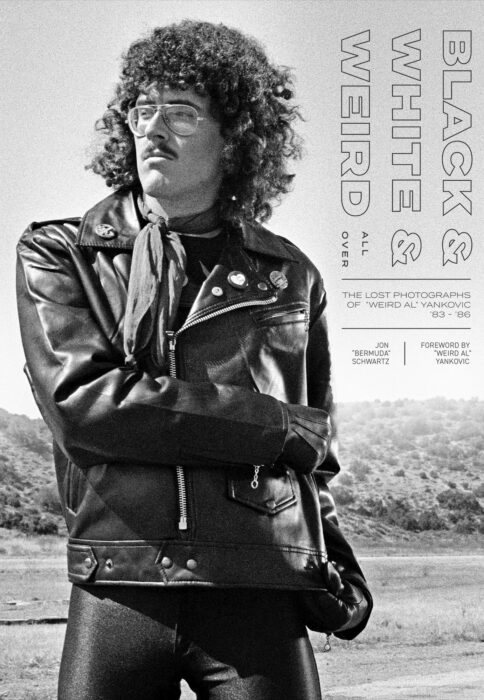
The Archive’s first item provided the spark. While preparing to meet “Weird Al” Yankovic at an autograph signing, Ransom discovered the ridiculous story behind “Weird Al”‘s first EP, Another One Rides the Bus, a hand-pressed record famously recorded in Al’s college bathroom. Ransom also stumbled upon Al’s first commercial appearance, on the B-side of an obscure compilation album released by the San Luis Obispo Economic Opportunity Commission. He later learned the story of “Weird Al”‘s first single, which emerged from a backstage meeting between this hustling college kid, The Knack lead singer Doug Fieger and Capitol Records executive Rupert Perry. Fieger had loved hearing “Weird Al”‘s self-produced parody of his My Sharona on radio’s Doctor Demento Show. These three records and the hustle behind them highlight some of the many ways musical artists find to climb into the spotlight. For these three legitimate debuts and the inspiration they created, this Archive is dedicated to “Weird Al” for representing the work ethic, the talent, and the willingness to create any opportunity that music artists need to get a break.
An Answer to Artificial Music
In his academic research, Ransom has studied how the impersonal, derivative nature of artificial intelligence can simulate but never replace the creativity of inspired human genius. Although Ransom believes computer tools are irreplaceably useful when used with responsibility and transparency, the flood of AI generated music risks crowding out the risky, intimate and personally meaningful effort of human creation.
Ransom has used emerging technologies to research the records of this archive and the histories of the artists found here, but the curation of the archive as well as all the writing you see on this site is the work of human hands and a product of true passion for the history of human creativity.
The Artists, the Myths
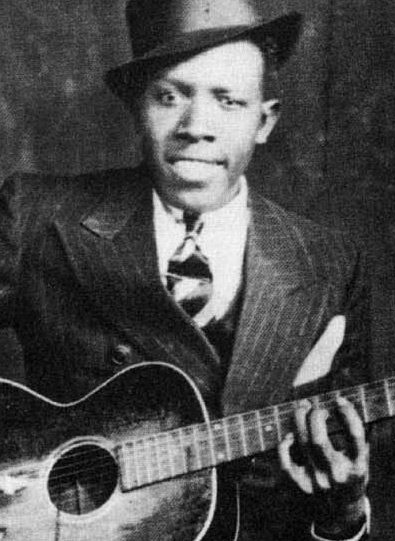
Many of these artists’ stories are, in fact, larger than life and a testament to the ingenuity and the determination that somehow wrenches success from unknown places. Loretta Lynn’s epic cross-country road trip to Nashville with records in her car trunk merges in the Archive with the Sex Pistols, whose enraged labels yanked their first records from their catalogues, mid-press, on multiple occasions. Although Robert Johnson may or may not have had to sell his soul at a Mississippi Delta crossroads, hard beginnings and humbling setbacks line the roads of many of these artists, stories that can only inspire all of us who are attempting something great. These beginnings are the stories that OMMA is aiming to preserve.
The records held in OMMA are documents of experiences that cannot be automated and evidences of the sometimes shocking, always inspiring creativity behind the music that has shaped our culture.